 Previous Booth
Collecting Opportunities - Dave DeRoche
THE ART OF COLLECTING
Art collecting is a craft that can be learned. Some will master the craft and elevate it to an art--to their and the world's betterment. Some will gain knowledge, experience, and an "Eye" rapidly. Some will never learn, despite spending time and money. Looking at art is pleasurable, and a start, but SEEING with understanding, and FEELING the artist's intent and cultural purpose, are crucial--and can be a thrill. Collecting stimulates the mind, the eye, the heart, the gut, and the soul. See and feel by envisioning the artist and the culture he works within and for. See his artwork through his eyes, learn its raison d'etre through his mind, and feel its spirit through his heart.
ARE YOU TRIBAL ART-CURIOUS?
What makes a great collector?
How do you build a great art collection? You start with a love of art, and see where your passion takes you. Some tribal art-lovers are led by a fascination with ancient cultures and their astonishing accomplishments. Some are led by a connection with far-off, different peoples and their cultures, social or religious practices, lifestyles, rituals, and ceremonies so different from ours. But you'll notice estranged cultures' similarities, too. You'll come to appreciate humanity and respect the human species all the more. Homo sapiens is the art-making species. Intellectual curiosity is a treasure itself. So is learning.
COLLECTING IS LEARNING, FOR A LIFETIME
A love of learning can surely fuel the process. Many most fondly recall the times in our lives when we were learning the most. No matter the age, learning is exciting and needs never stop. Recent retirees are right now building collections excitedly and well, using their suddenly-spare time and rekindled love of learning. It's never too late. The surge of new buyers and collectors of tribal arts in the 1960s and 1970s was matched by a surge of researchers, students, professors, and scholars, and hundreds of books were published in Europe and the U.S. (These books, collected into both personal and public libraries, were studied almost religiously. Now they can be bought, and a physical library built if your residence has room, for a song, because next-generation learners tend to access book knowledge on their computer screens or even their phones.)
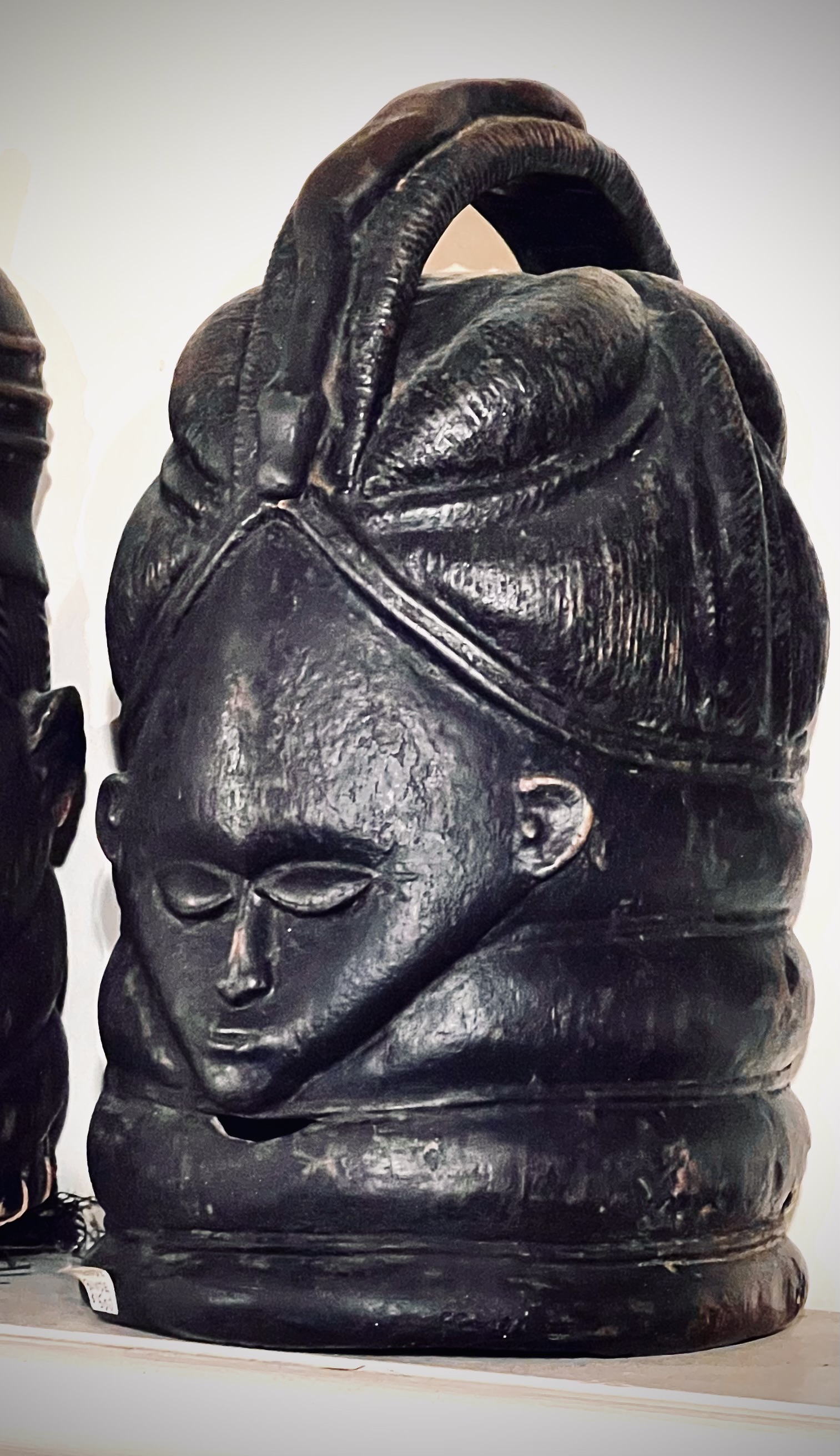
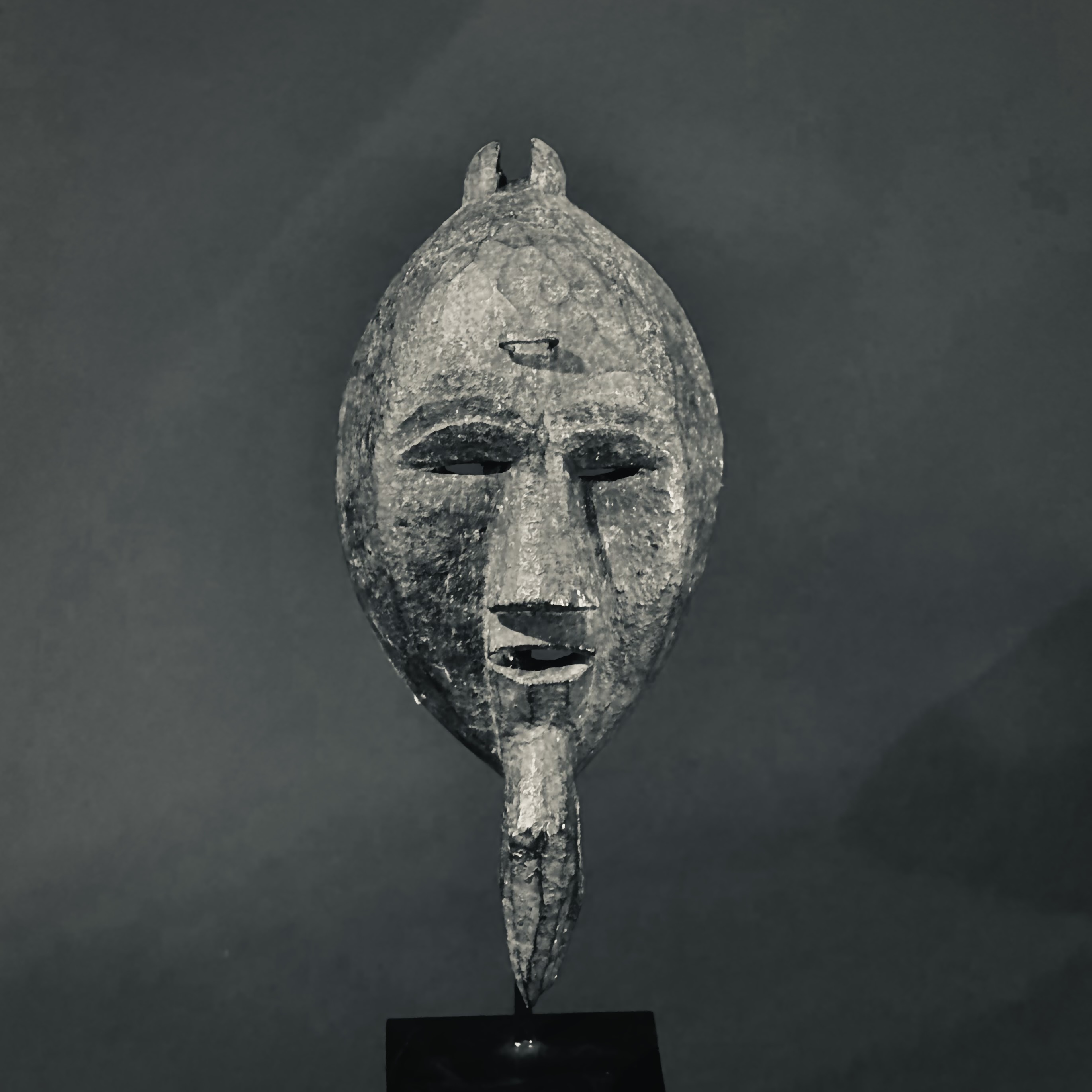
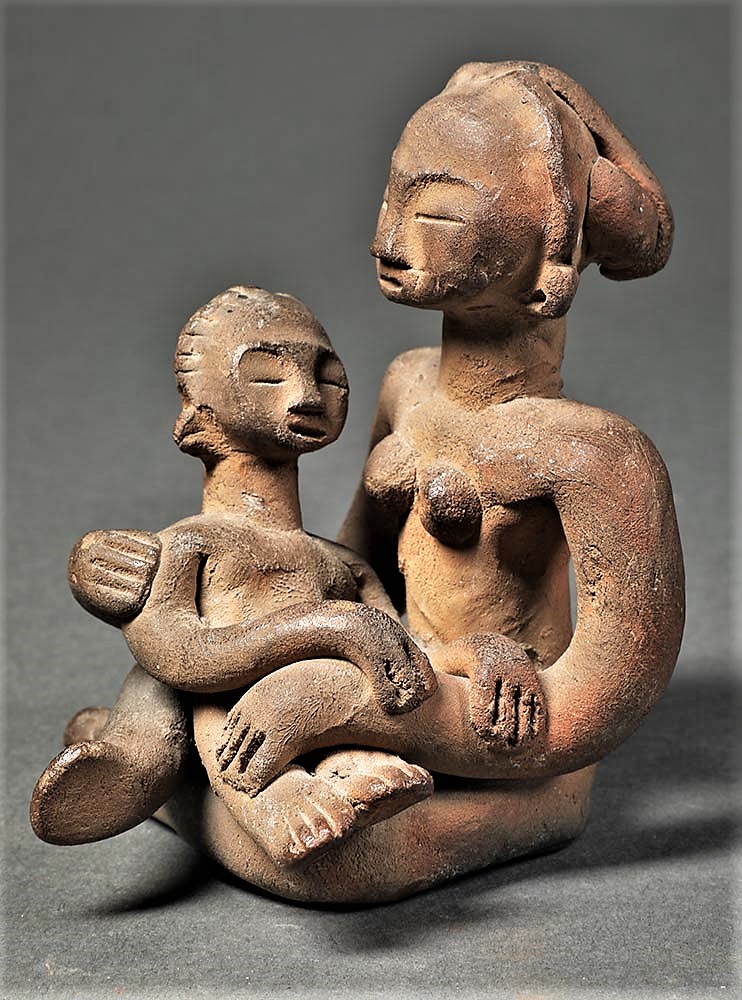
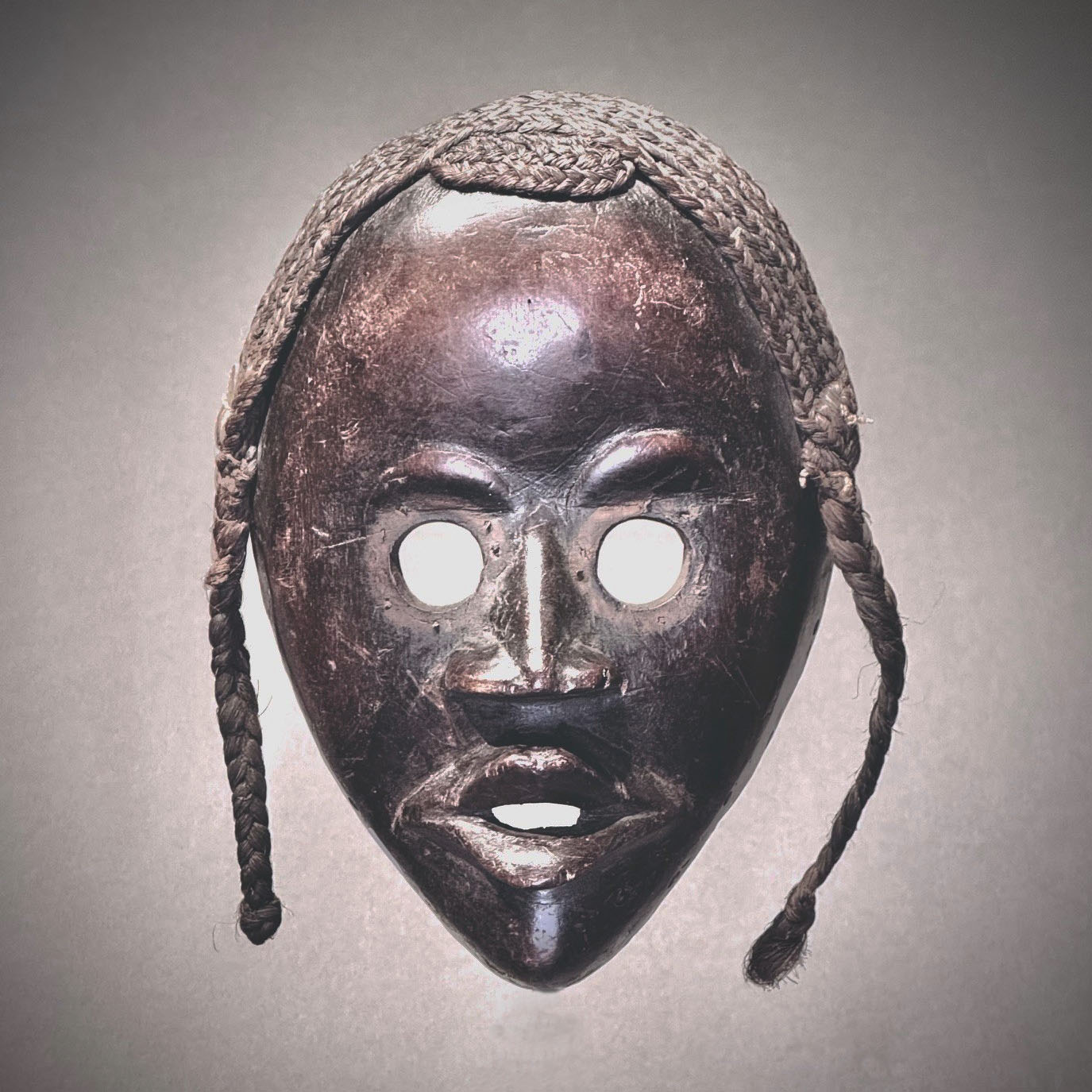
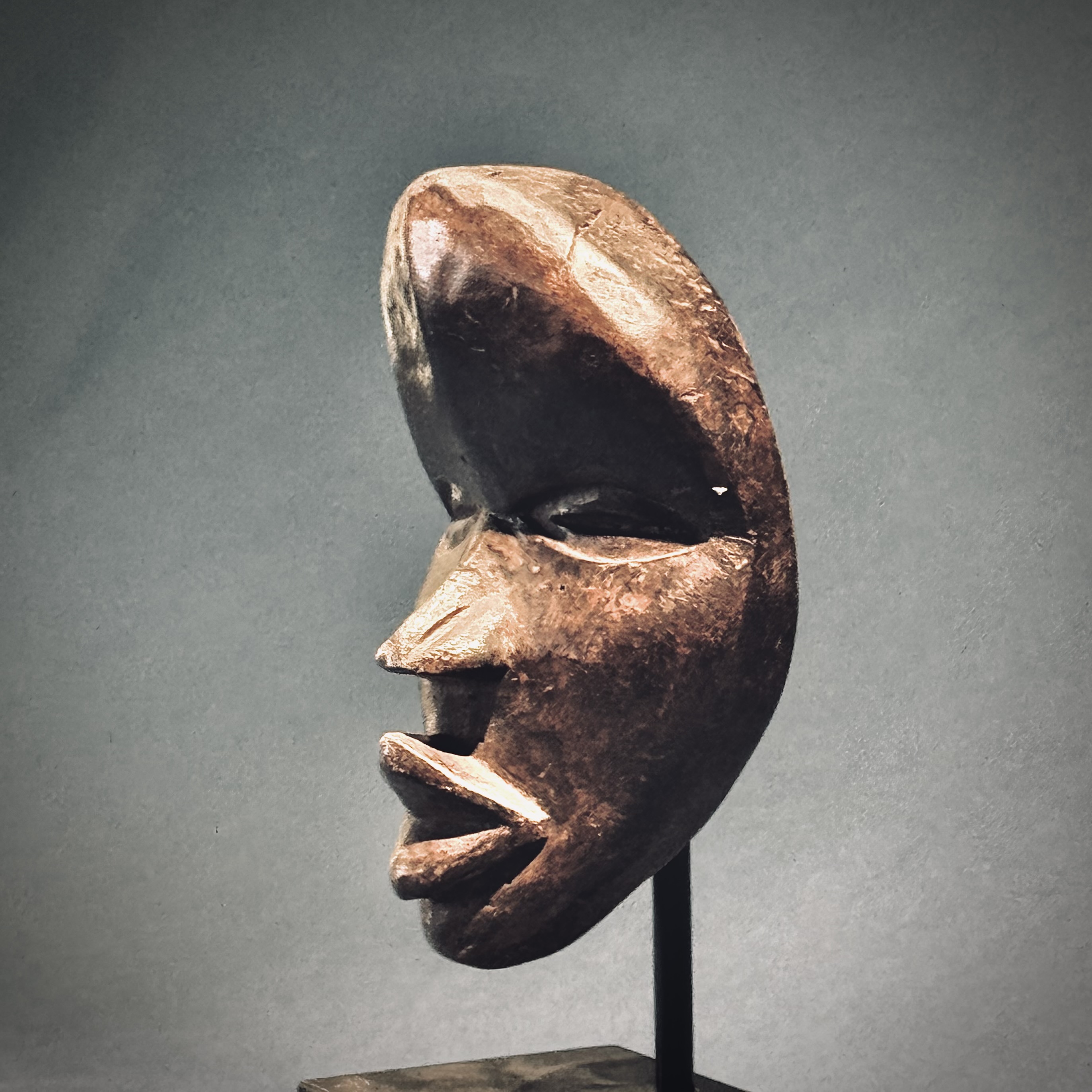
Even just looking at lots of photos of authentic tribal arts objects instills knowledge, from books, catalogs, magazines, and online. BUT: online it is much harder to know whether the posted photo is of an object that is authentic and traditional, whereas your chances of studying authentic, educational, and aesthetic examples are much greater when they are printed in established and respected scholarly books. Now, online, googling images of Dan Complex Masks or Baule Maternity Figures pulls up a thousand images that any seller of copies and fakes can post anywhere anytime. Beware Fake Views.
Learning on your feet by strolling through museums, universities, and exhibitions--read the labels--teaches much. So too displays at reputable galleries and auction houses, those that guarantee the authenticity of the their offerings. Talking your way in to see established private collections and the inventory of recommended private dealers can also be wonderful learning experiences. Ask questions of experts and, with luck, mentors.
Going to lectures on tribal arts, cultures, and peoples is enlightening and sociable. You can meet persons with intellectual curiosity, a love of learning, and interests in common. Discussion groups are rewarding and a fun way to advance your knowledge and your connections. They thrived pre-Pandemic in San Francisco, Paris, and some German cities; now you may have to search your region or start your own. A fine example, the non-profit Friends of Ethnic Art, self-started around 1970 in the SF Bay Area and grew over 45-50 years to have more than 200 members, sometimes getting 50-100 persons at their monthly lectures and panel discussions (often by visiting scholars.) They also put on visits to private collections, exhibitions, museum-based tours, and a sociable annual ethnic-food party with a spirited fund-raising auction of tribal arts objects donated by their members. (Many members would donate their duplicates and too-familiar artworks only to replace them an hour later with new purchases, sometimes to their spouses' consternation.) [The FaceBook page of Friends of Ethnic Art may be a useful connection for new group formers.] (What has yet to be formed is a discussion/meeting group called Collectors Anonymous....)
COLLECTING WITH COURAGE
Be they recently exposed to and enraptured with the worldly greatness of tribal arts or rekindling a passion now that they have or make a little spare time, avid learners and collectors soon learn that there is a large marketplace advertising and selling modern semi-copies or semi-reproductions--"Fakes"-- of the traditional, made-for-use-and-used, authentic tribal and ancient artworks most seek to collect. True collectors seek "Real" pieces because, compared with carvings banged out by non-tribal, non-indigenous, or modern-culture persons for the sake of making money, "Real" pieces are: aesthetically superior and more resonant works of art; culturally and historically educational and significant; always sought internationally and of lasting value; and truly felt without end by our hearts, our souls, our minds, and our spirits.
SAVVY COLLECTING
How to avoid buying a "Fake"? Note the advice above plus seek additional advice from acknowledged experts. They can be reputable dealers, or learned and experienced collectors. Note that academics, field researchers, and scholars often have inspiring theoretical knowledge of what an object is, what it was made and used for, and how it represents its peoples' culture and history. However, they may not have ever learned to tell a Real piece from a Fake if they are not themselves buying and collecting. Learning comes faster when you spend, or gamble, your hard-earned money. Is Money a prerequisite? Not necessarily. All experienced and significant dealers in authentic tribal art know true collectors who have built signicant and meaningful collections--noteworthy art-historically, culturally, aesthetically, personally of course, and even financially--on limited finances, a constrained budget, or a teacher's or a techie's salary. Even on a retirement pension, or while raising kids. It can be done, especially right now. But experienced dealers also know would-be collection-builders who tried to simply throw money at the challenge and came away with no lasting knowledge, a repository of bad advice and other persons' tastes, and a hoard of decorations.
You'll learn quickly--hopefully not expensively or discouragingly--to first ignore airport art, tourist gift shops, and decorators, accumulators, and hoarders. Compare. Discern. Then you'll be exposed to online sellers. Are they hiding from public scrutiny, or just tech-savvy non-commuters? There is no Better Business Bureau or Consumer Reports covering the tribal arts market. Beware, but consider it a fun and stimulating challenge.
Collectors can best benefit from establishing an ongoing relationship with a reputable source. But you must demand they Unconditionally Guarantee their pieces, or your money back, and you must see their written policies. Additionally, press for the Return privileges that a few dealers offer (and no auction houses do.) Always get a written and signed copy of their guarantees and possible return policies.
If you do buy, and build a collection no matter how small, remember: Collectors are conservators; collectors are educators.
TRIBAL ARTPORTUNITIES
Never before has the tribal art market offered such opportunities. The terms Bargains and Buys are accurate now, historically, calculated using modern dollars and Euros, buying power, and comparing investment categories. Why? The great old collectors who built their private collections in the 1960s, 1970s, and early 1980s have passed on. Their heirs and estates and institutions currently have a supply that exceeds demand. The generations following the great old collectors revealed a decreasing interest in the different cultures and peoples on this 'shrinking' earth. The youngest generations appear to have no interest in old things. And in art? Some say they can't even spell A-R-T.
Walk-in public galleries, like all retail street shopping, are fewer. Only a few walk-in public auction houses offer tribal art, and most of those that used to display 500-1000 objects a year now offer 200-400. Some art departments have been closed. Sit in on a live auction, where the artworks on offer are physically in the same building and inspectable--not just in photos online--and you will see few chairs, few bidders, and many auction house employees fielding telephone calls and even more monitoring computers for invisible bids from afar.
The demand for tribal arts has also been suppressed in recent years by the unwise and unconscionably short-sighted, politically pressured decisions by some museums, universities, and other public trusts to no longer display for the public's education and enlightenment the great artistic achievements of the world's non-white artists. Paranoid over being accused of "Cultural Appropriation?" Where would the world be without it? "Cultural Appropriation" is the ultimate appreciation of different peoples and their cultures. It introduces us all, it educates us, it defuses antagonisms, it de-segregates us, and it humanizes us.
Yes, there is negativity and noise, to ignore or rise above. The clever and courageous collector can take advantage of this short-sighted era. It's a great time to be a collector.
-- by Dave DeRoche, February 2024
1 (415) 533-3316 & [email protected]
ADDRESS
2083 Oakland Ave, Piedmont, CA 94611, USA, [email protected] 415-533-3316, [email protected] 510-648-2083CONTACT
415-533-3316Artwork


Dan/Kran Mask

Polychrome Headdress


Pre-Columbian Basket
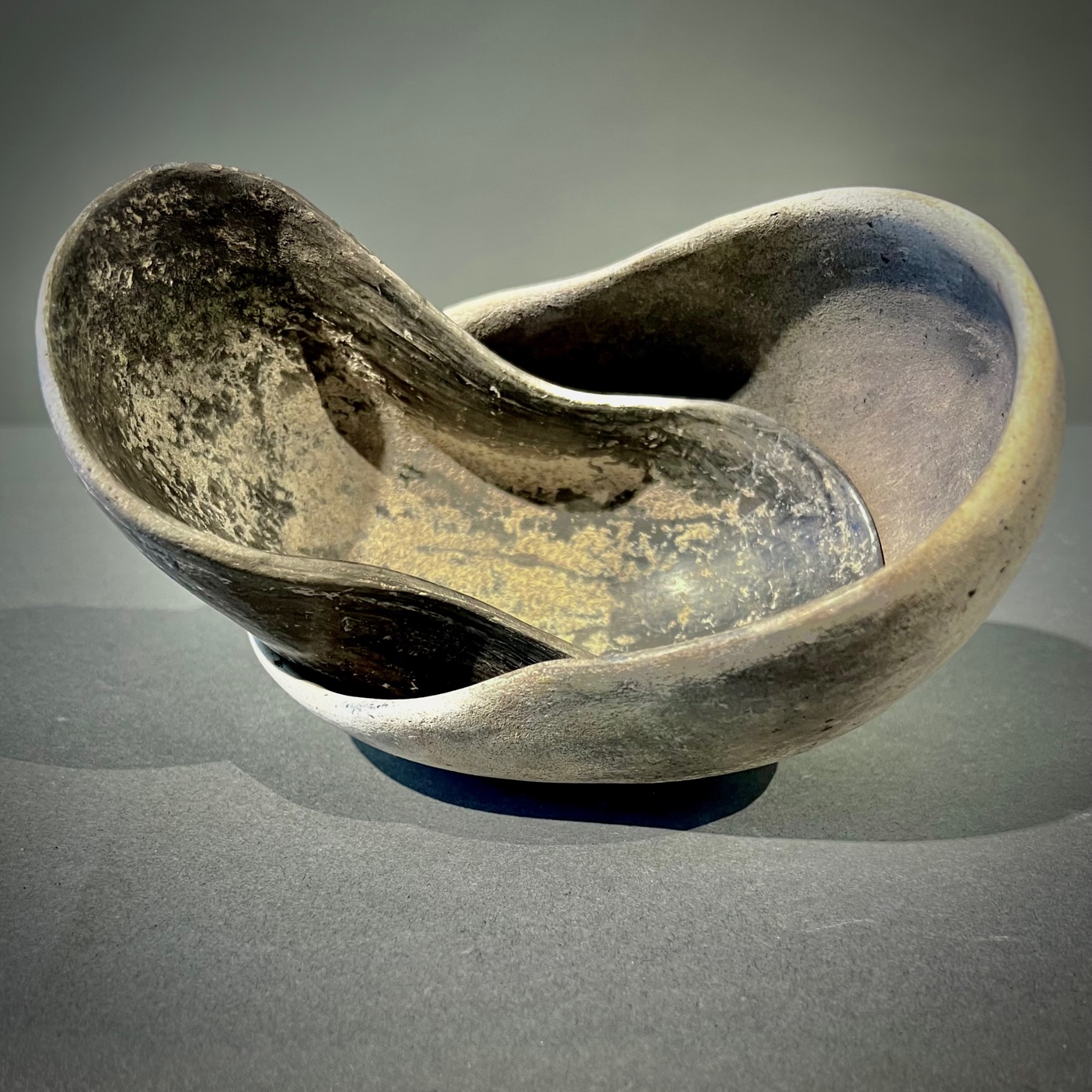

Female Figural Stool

Figural House Post
.jpg)
Stone Mask
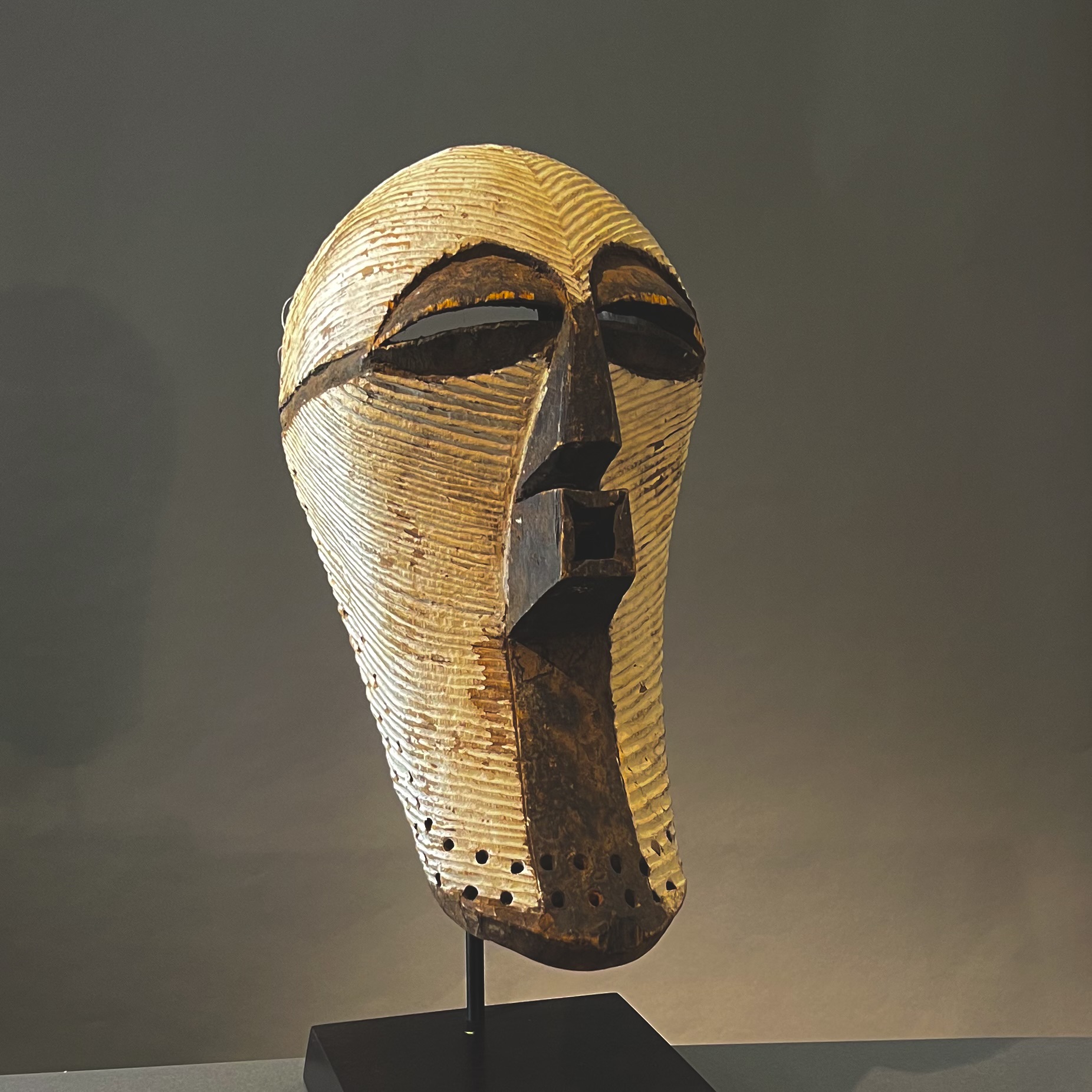


Two Bushcow Masks

Water Spirit Headdress

Old Painted Bird Mask

Columnar Figure


Small Bearded Mask


Ibibio Mask

Female Ibeji

Ibeji, Female

Ntomo Society Mask

Shoowa Cloth
Kirdi Beaded Skirt


Kongo Stone Figure

Three Nok Heads

Spirit Board

Gope Board

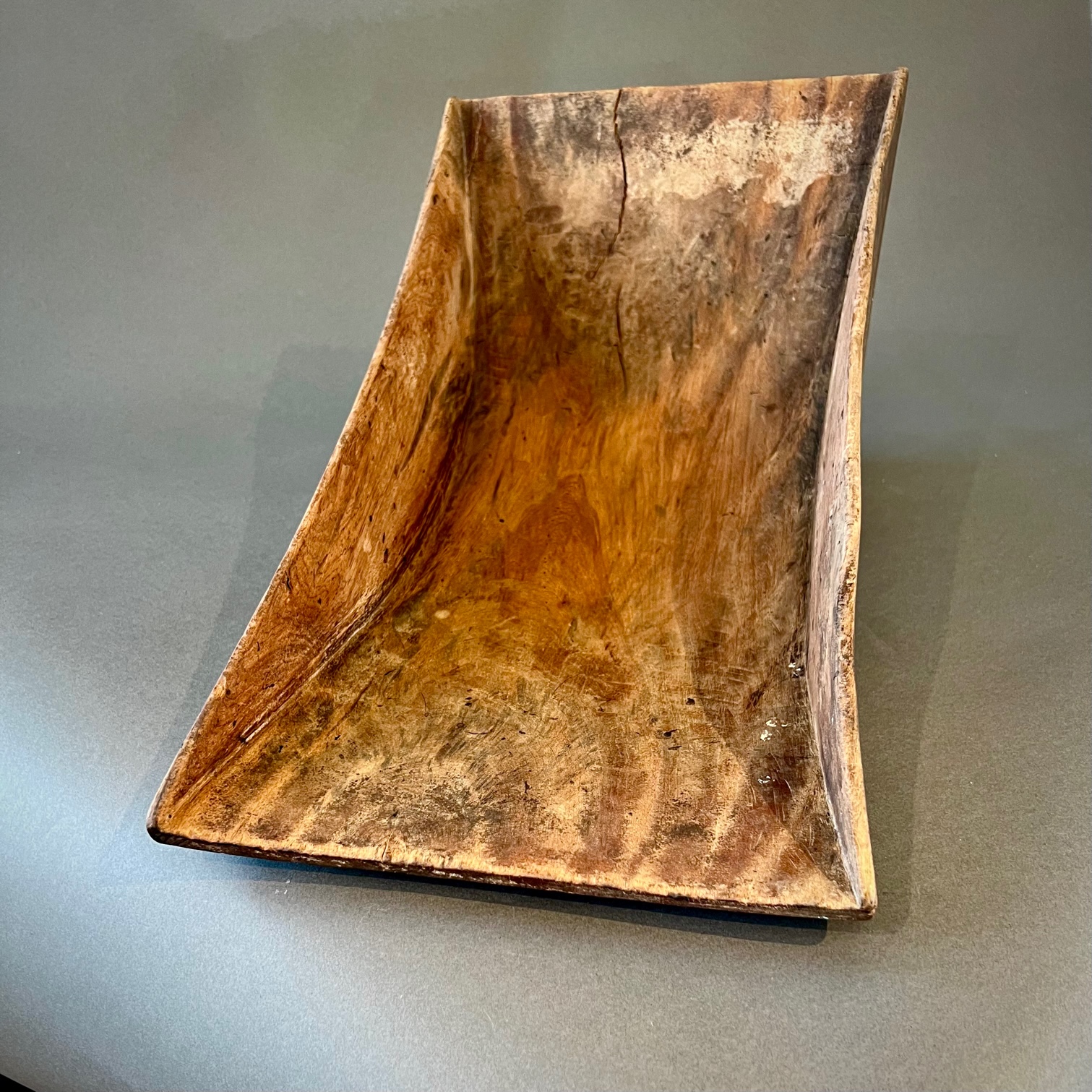

Large Gulf Mask


Two-Headed Figurine


Grainary Door
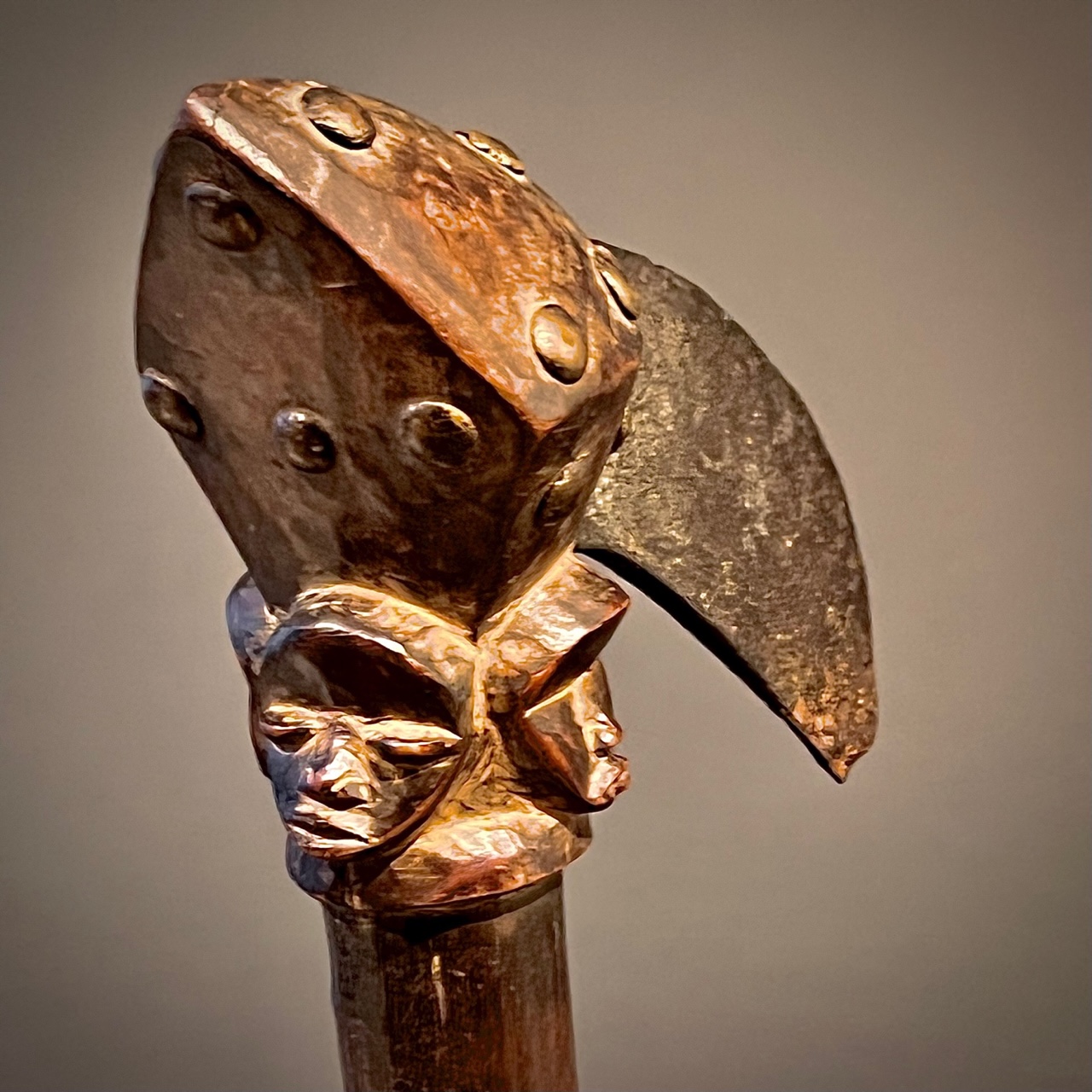
Carver's Adze
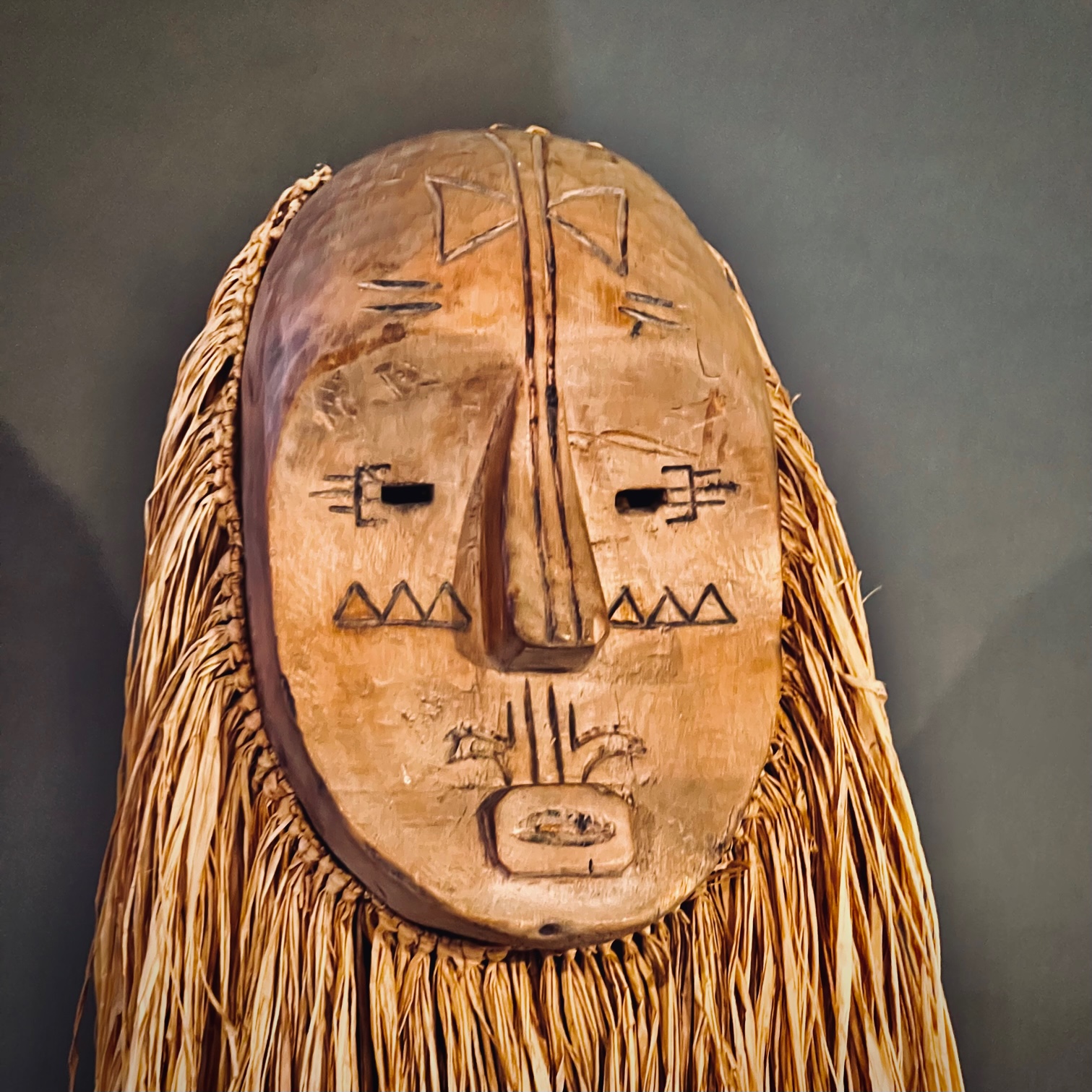
Ngili Mask with Raffia
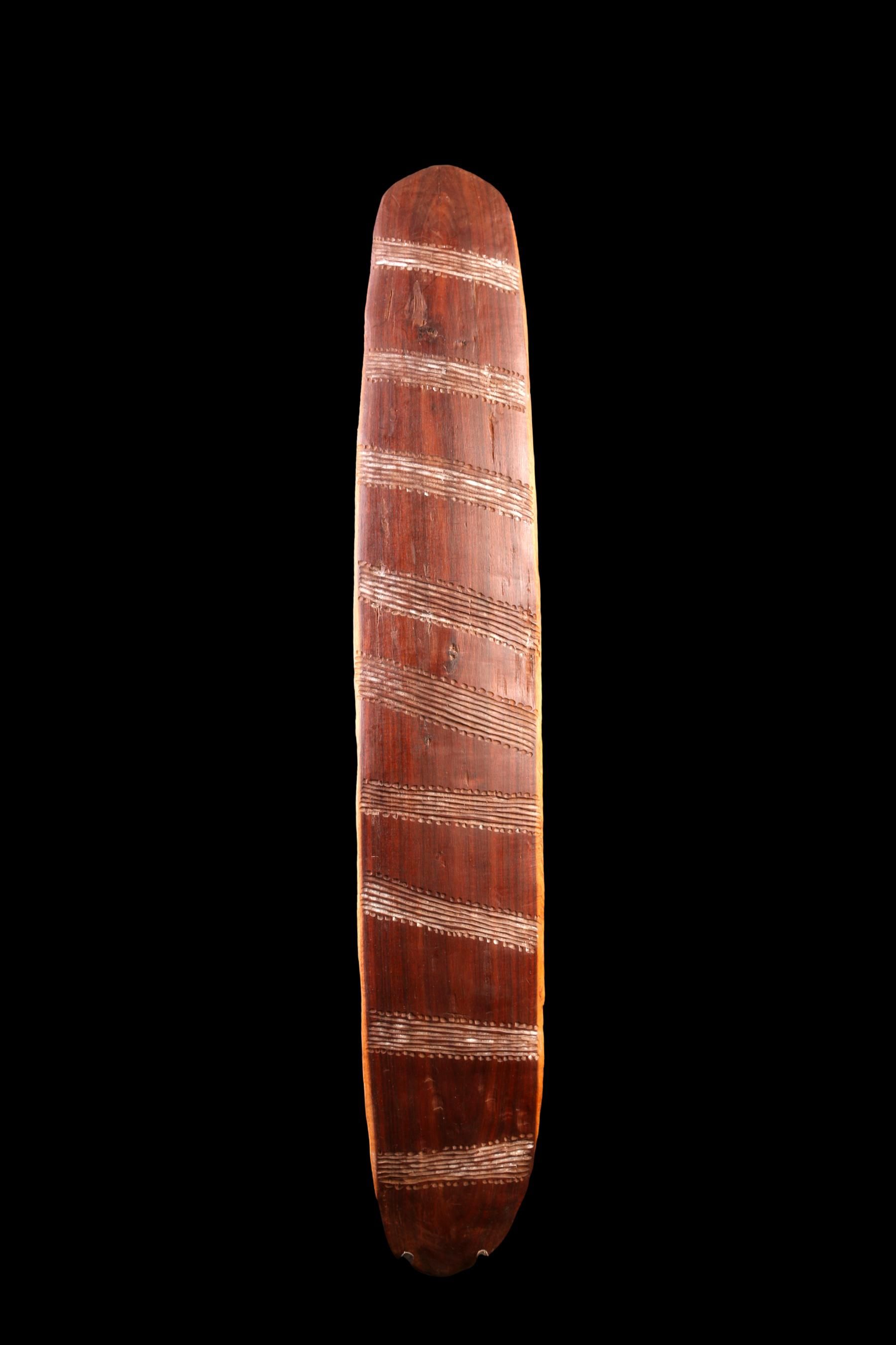
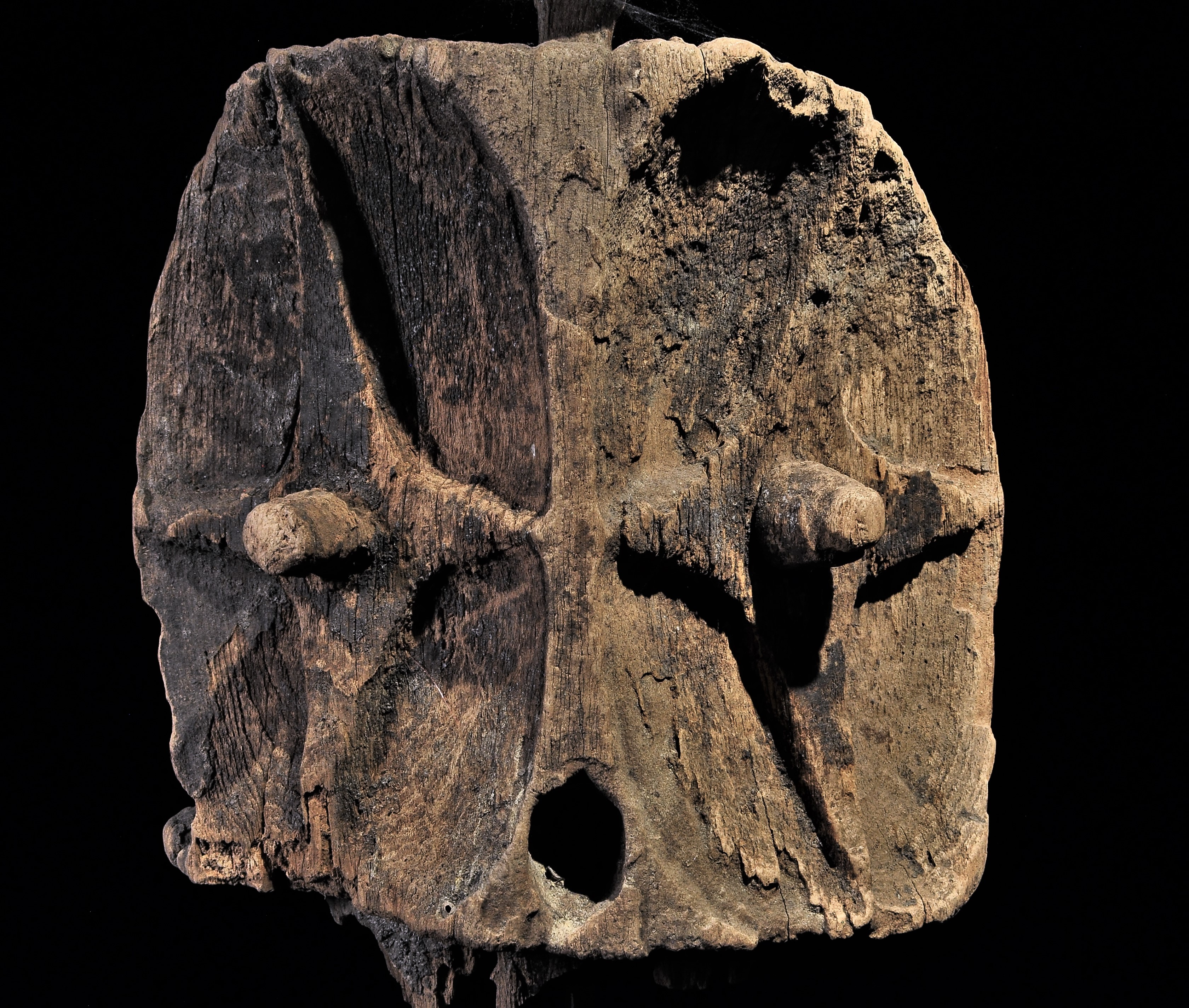
Janiform Helmet Mask
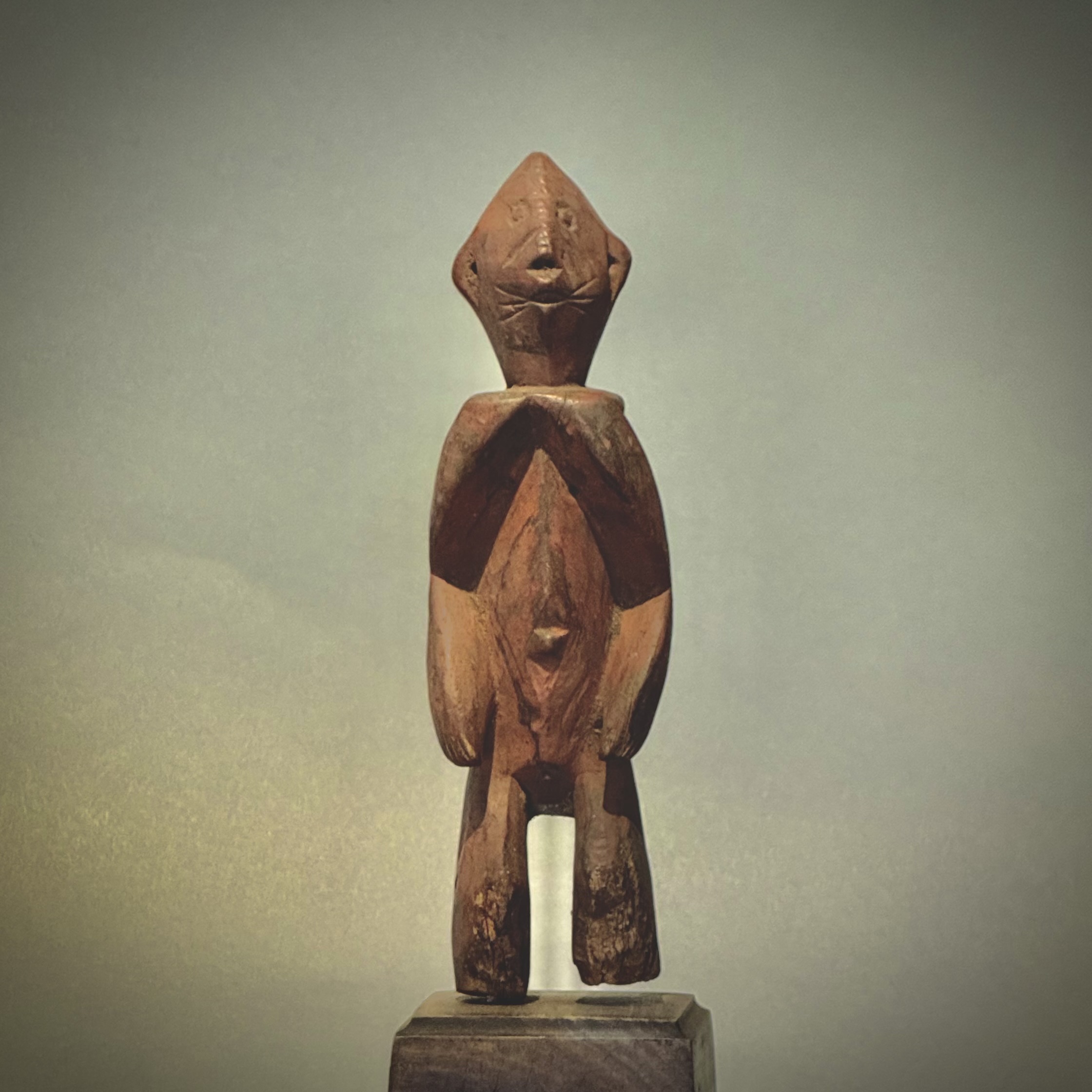
Cubistic Figurine
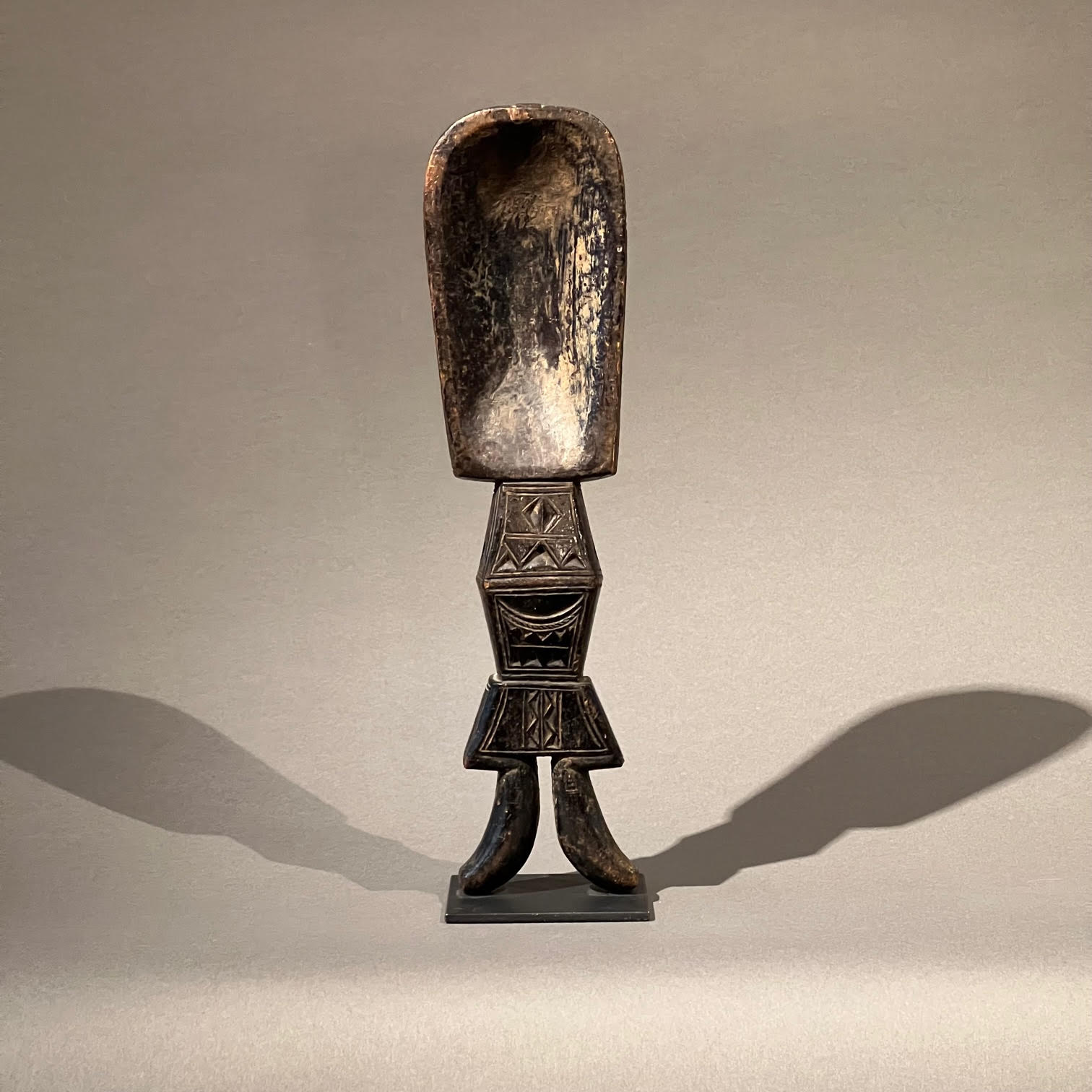
Feast Ladle
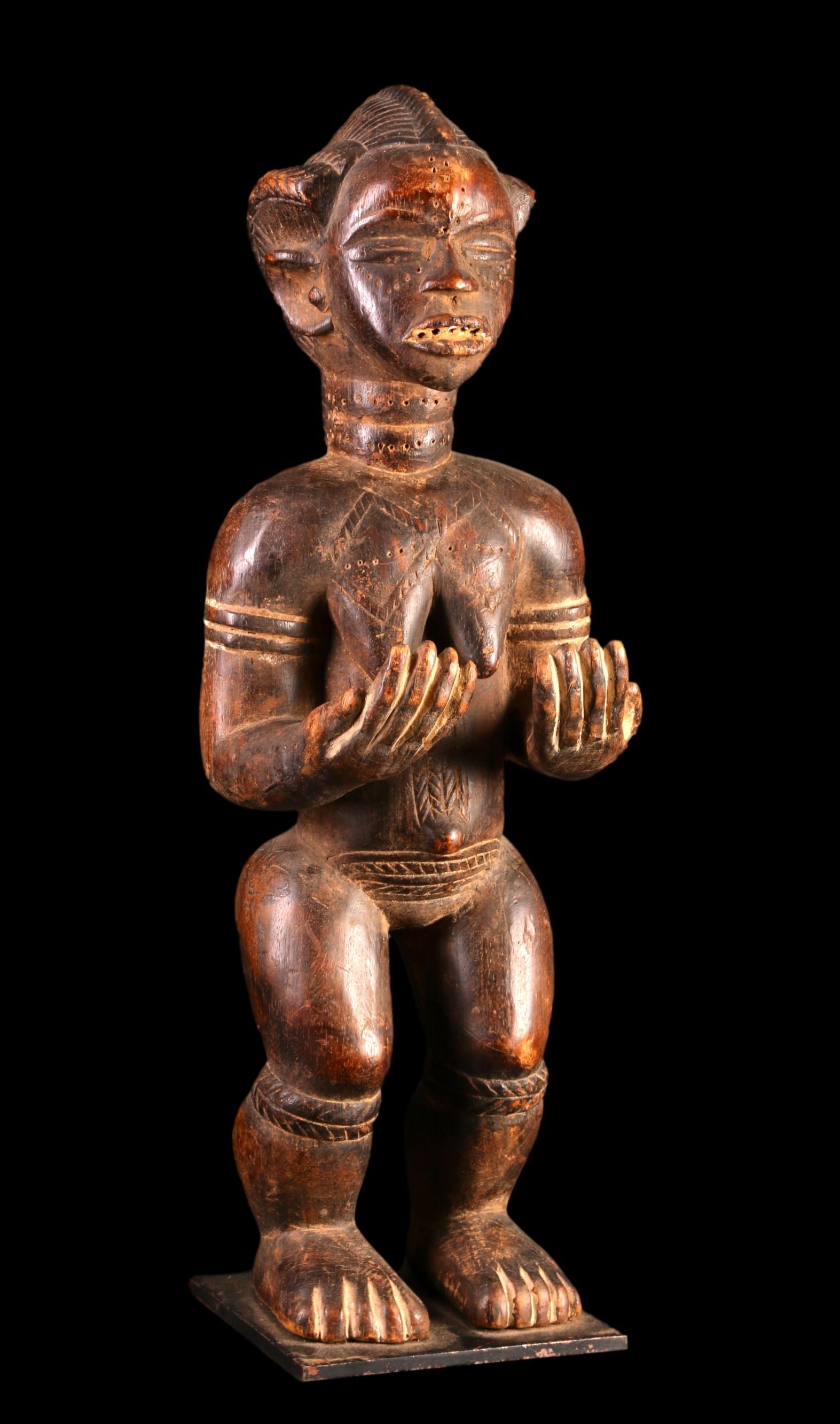
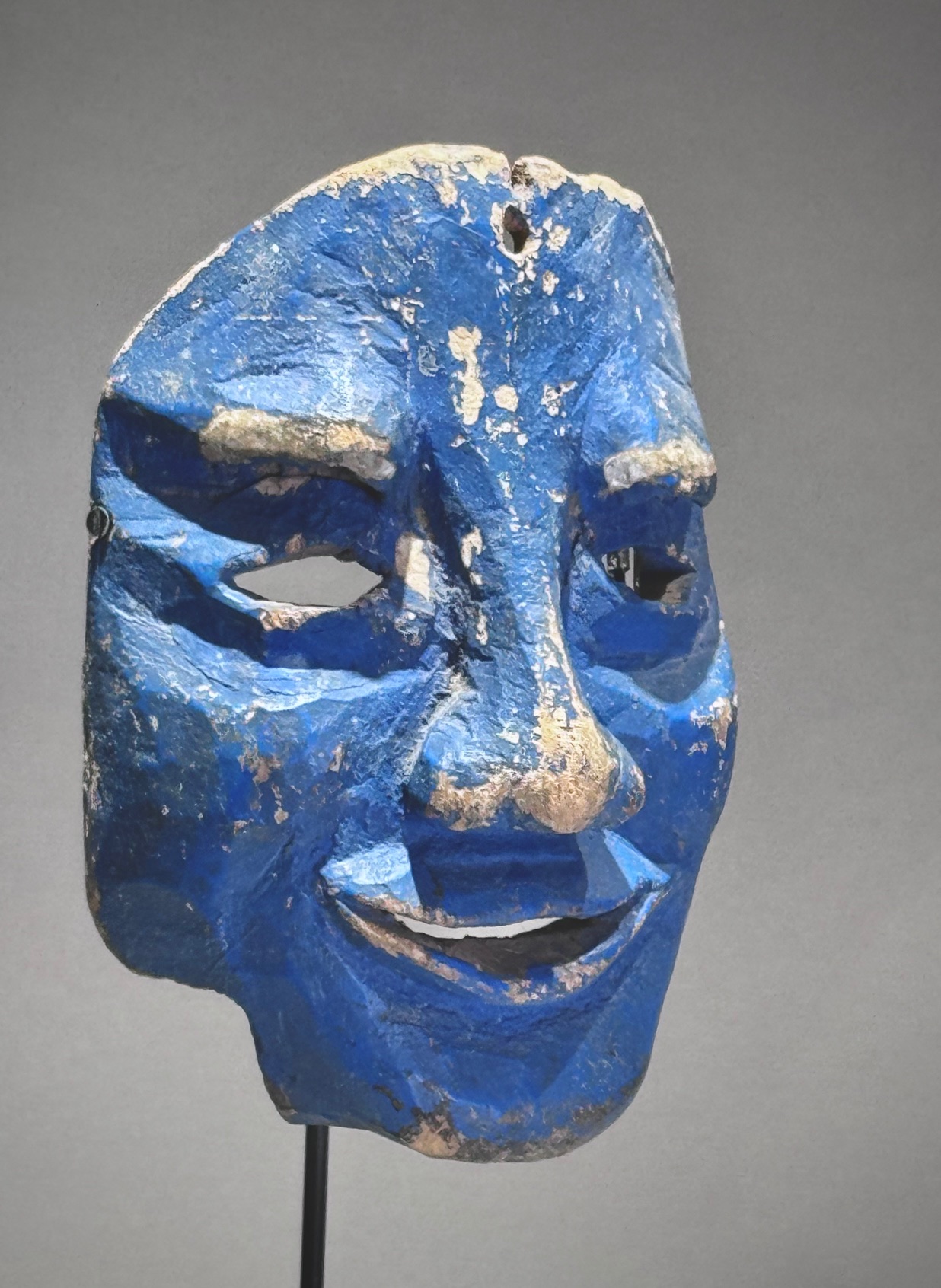
Blue Mexican Mask
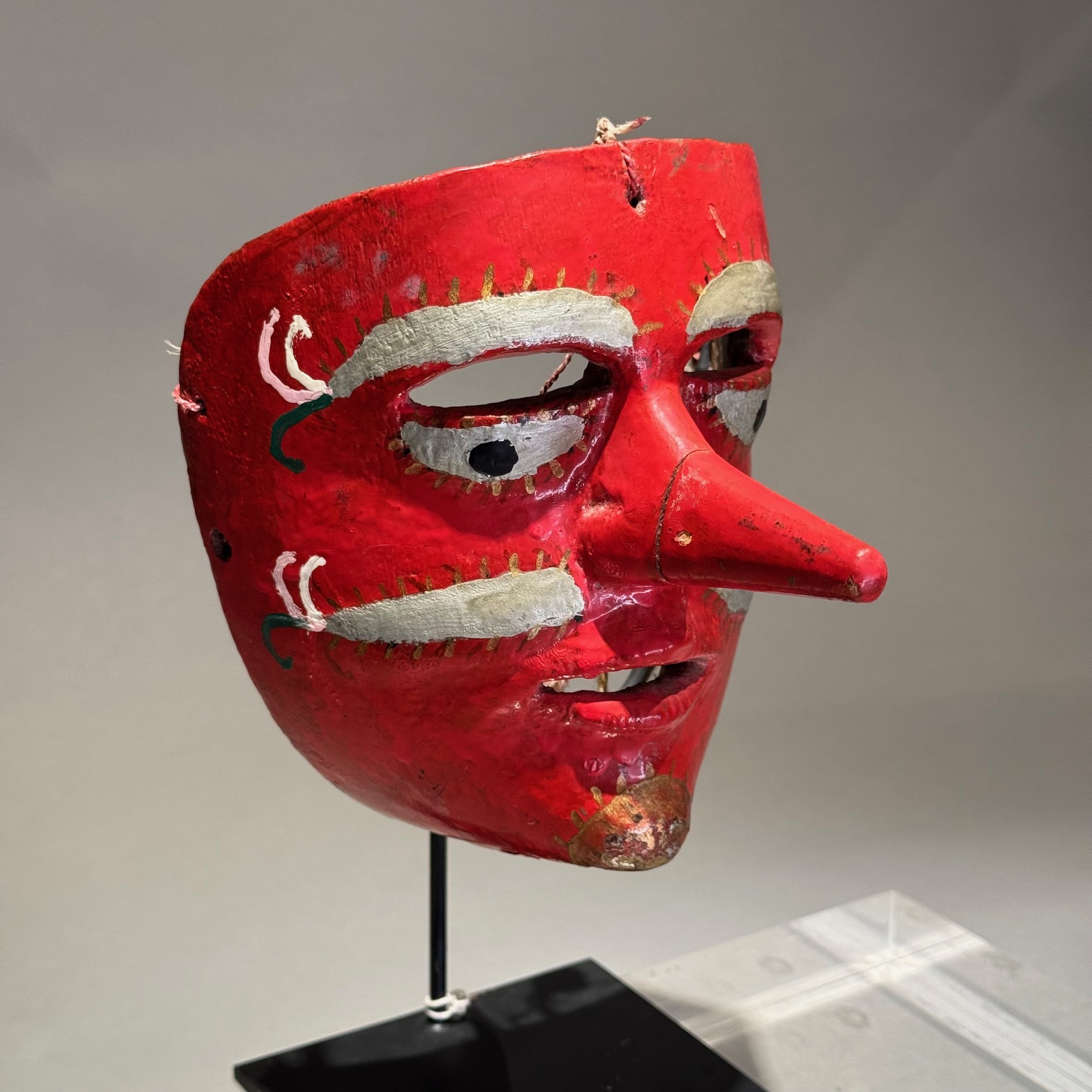
Red Mexican Mask
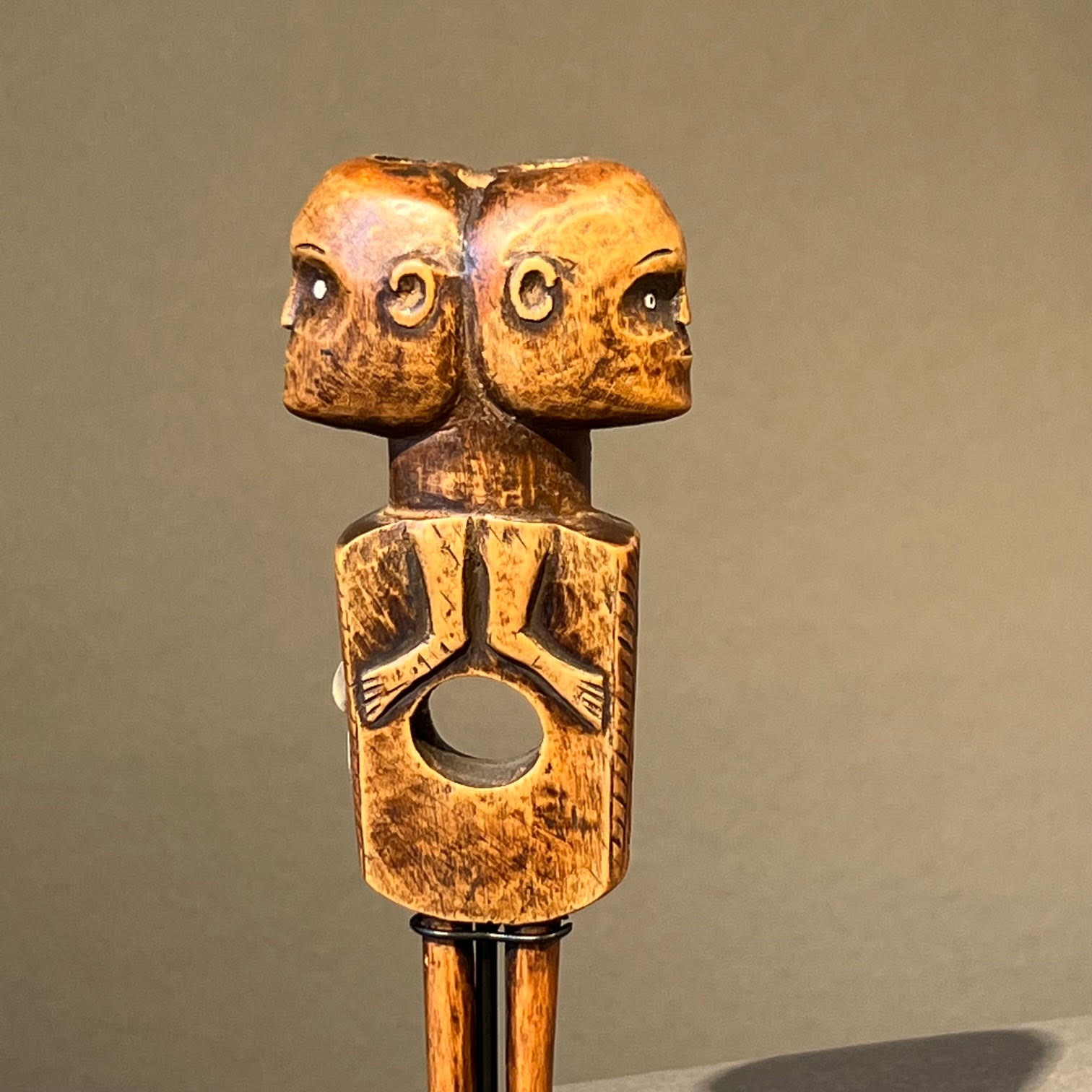
Figural Wood Hairpin
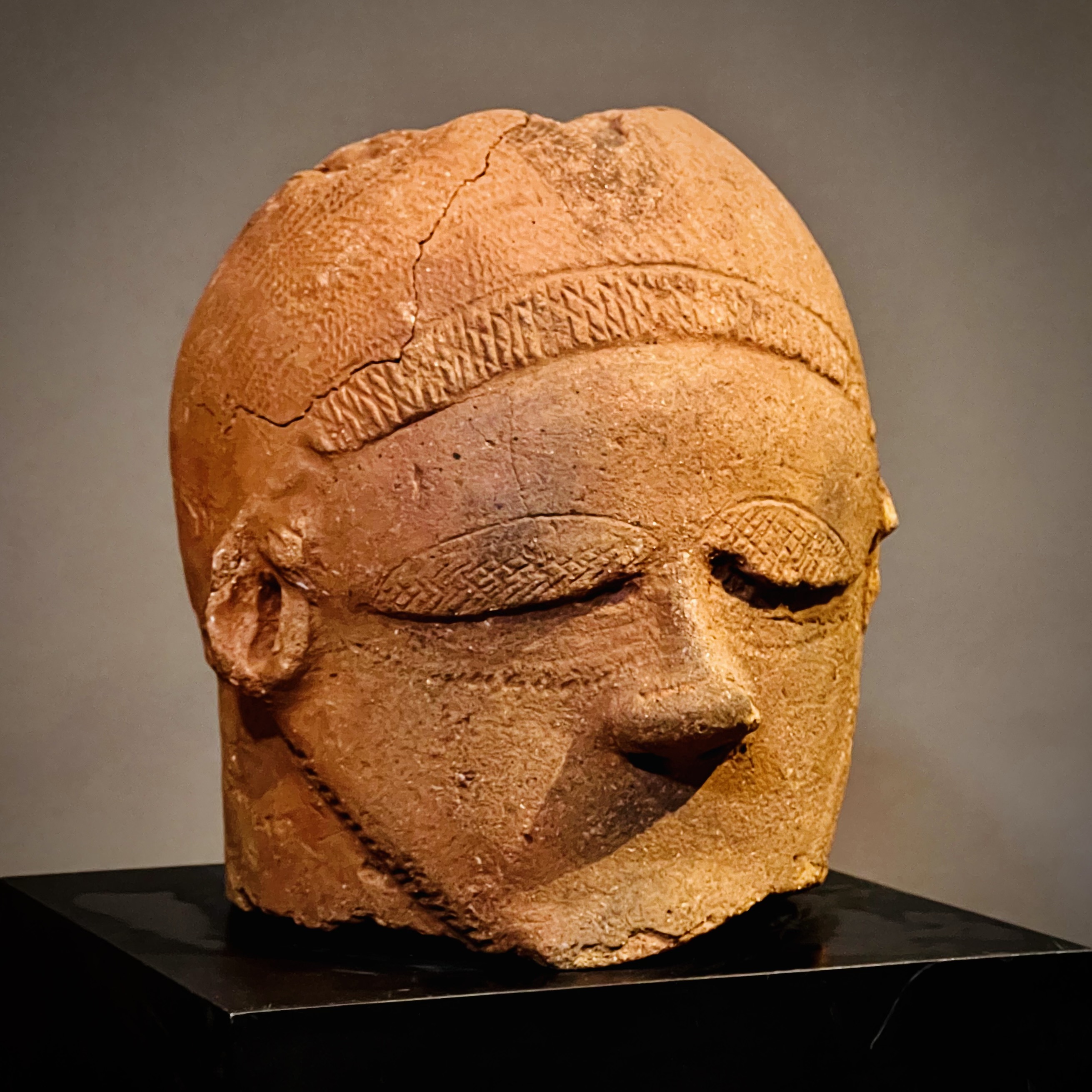
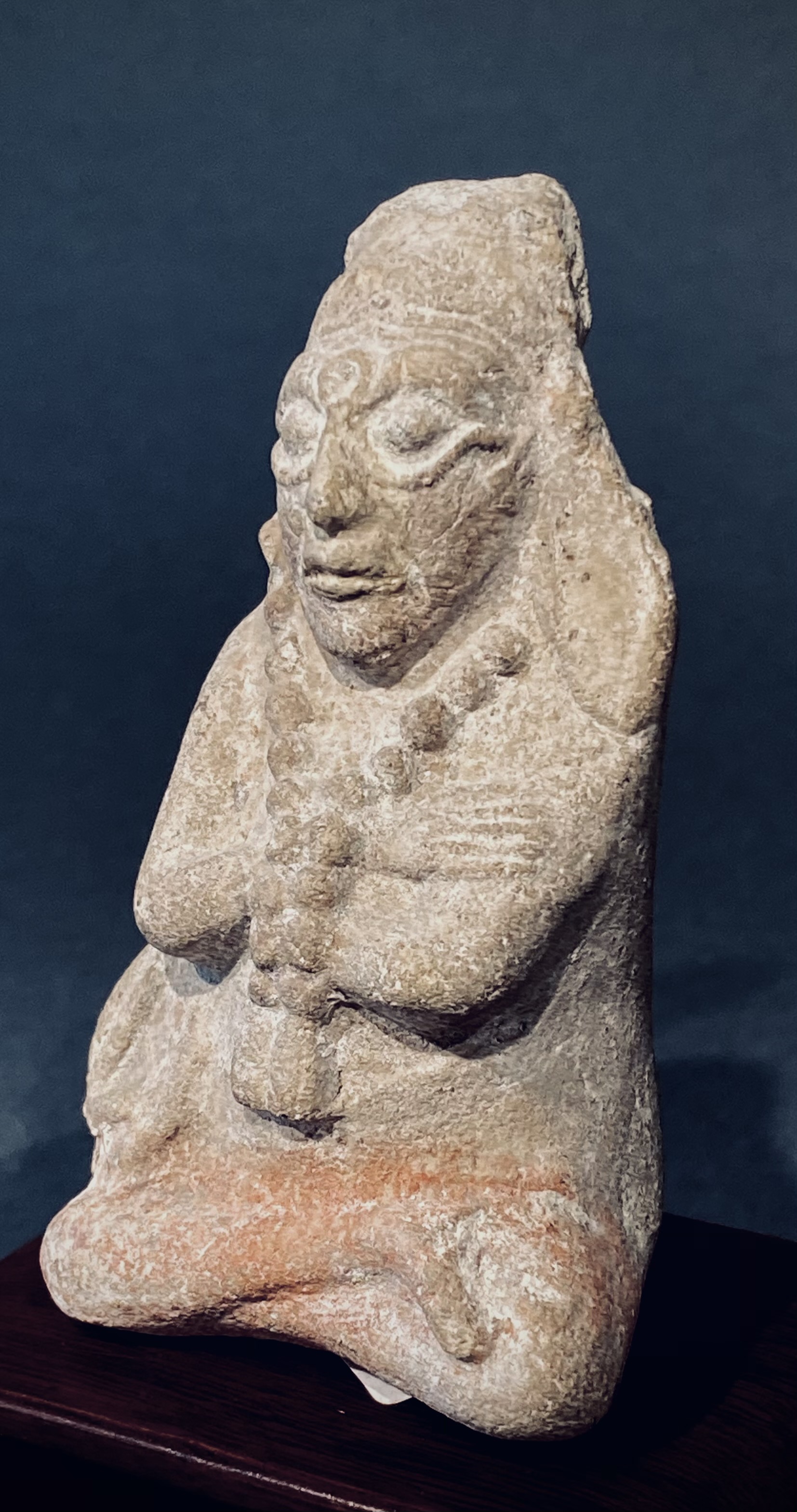
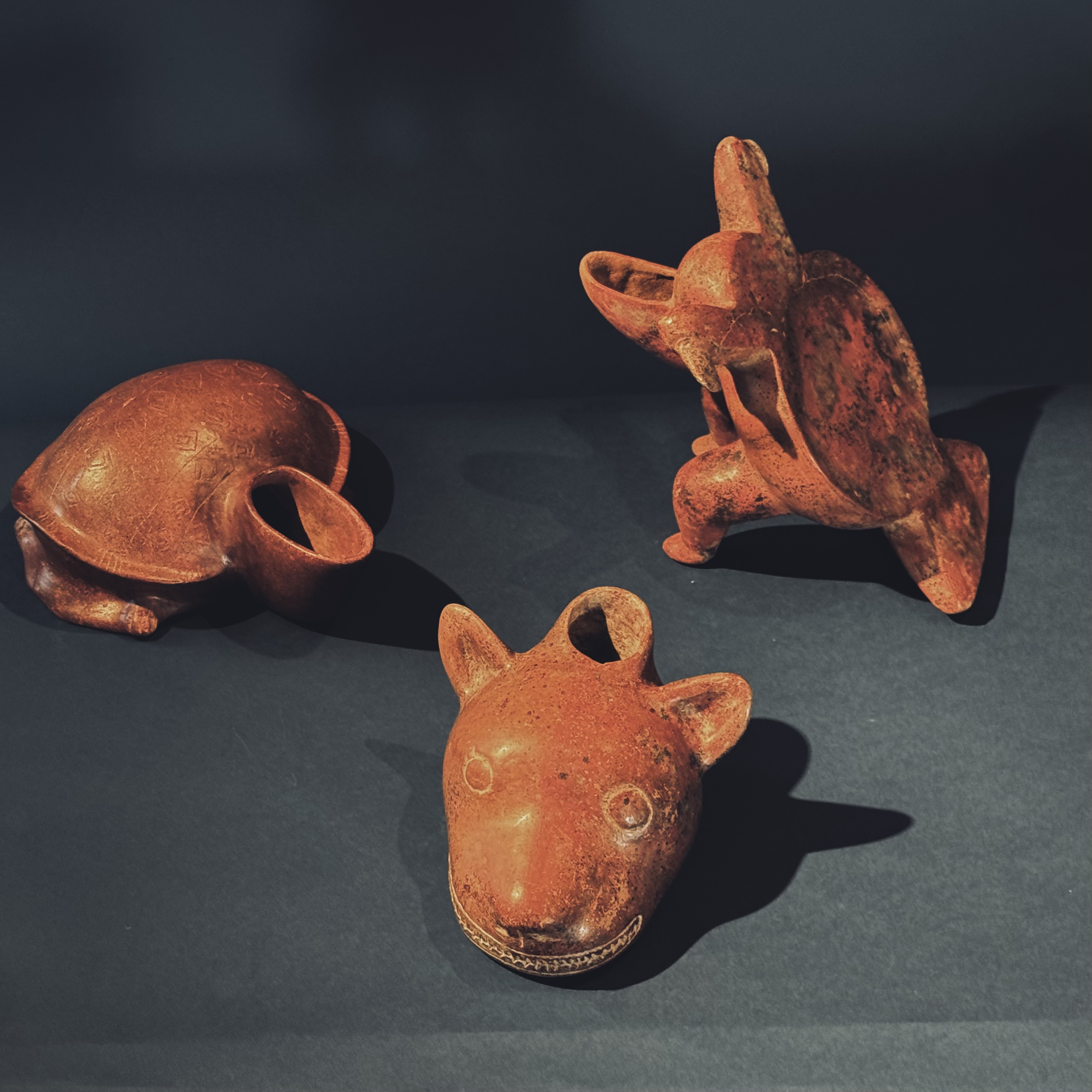
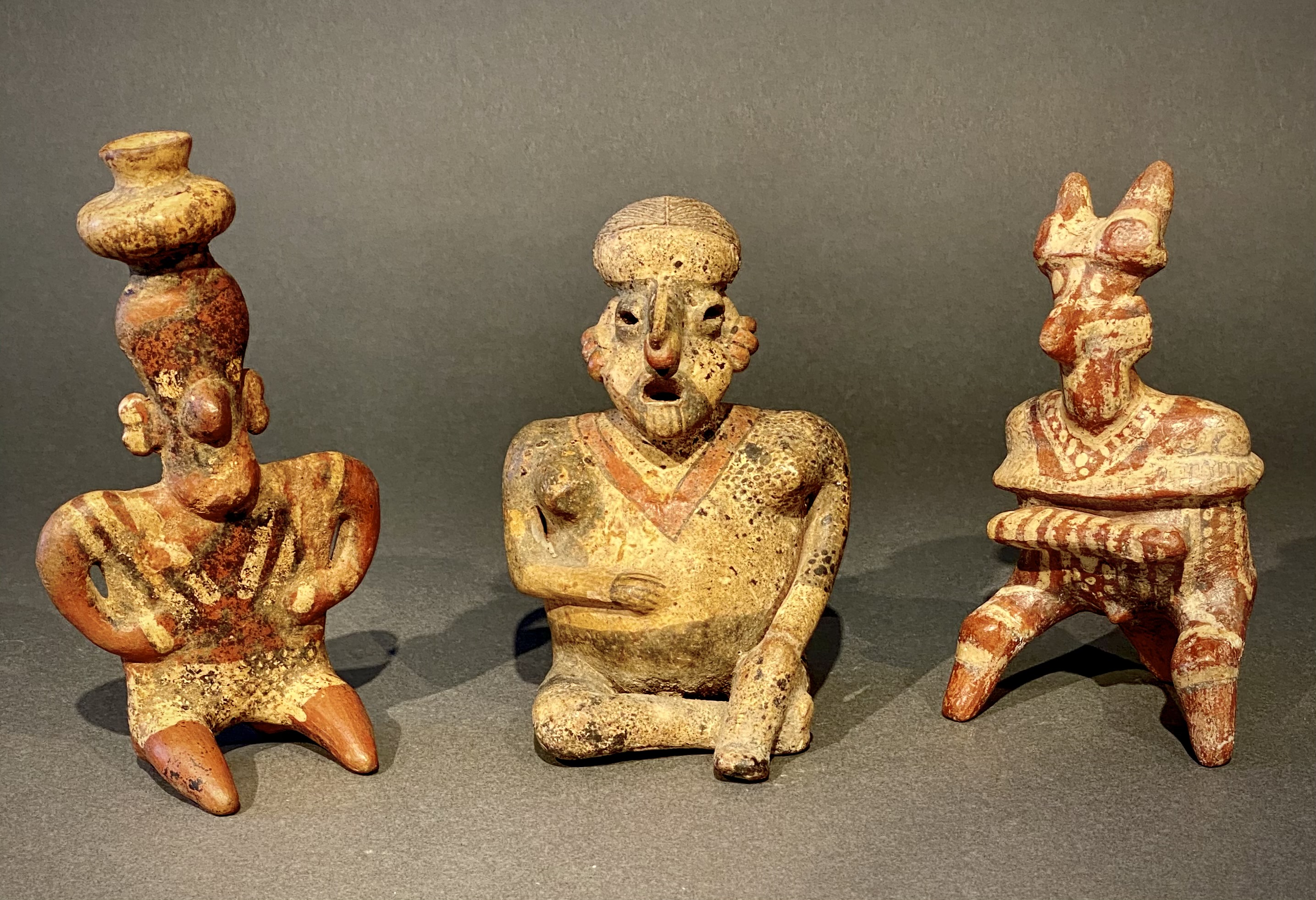
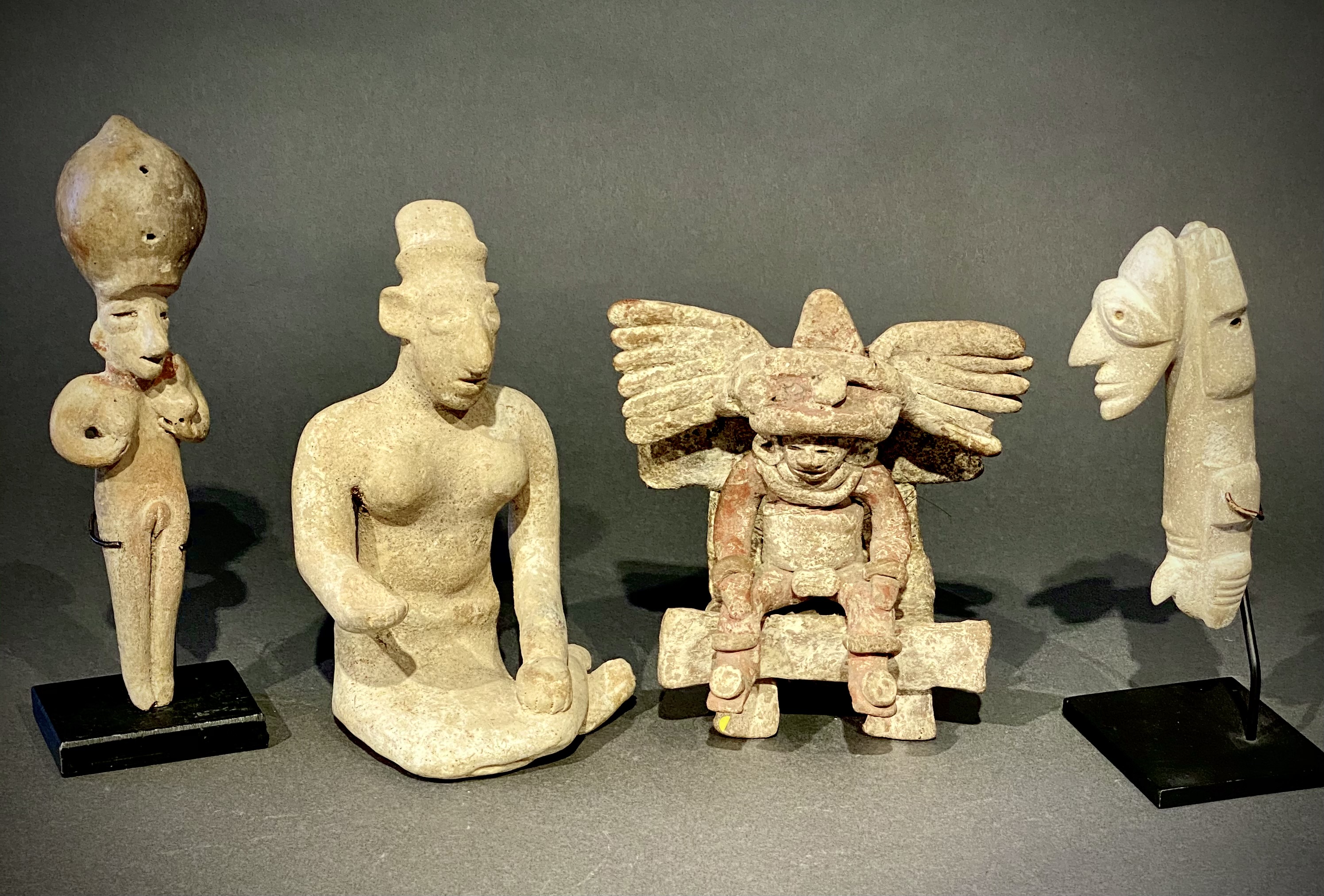
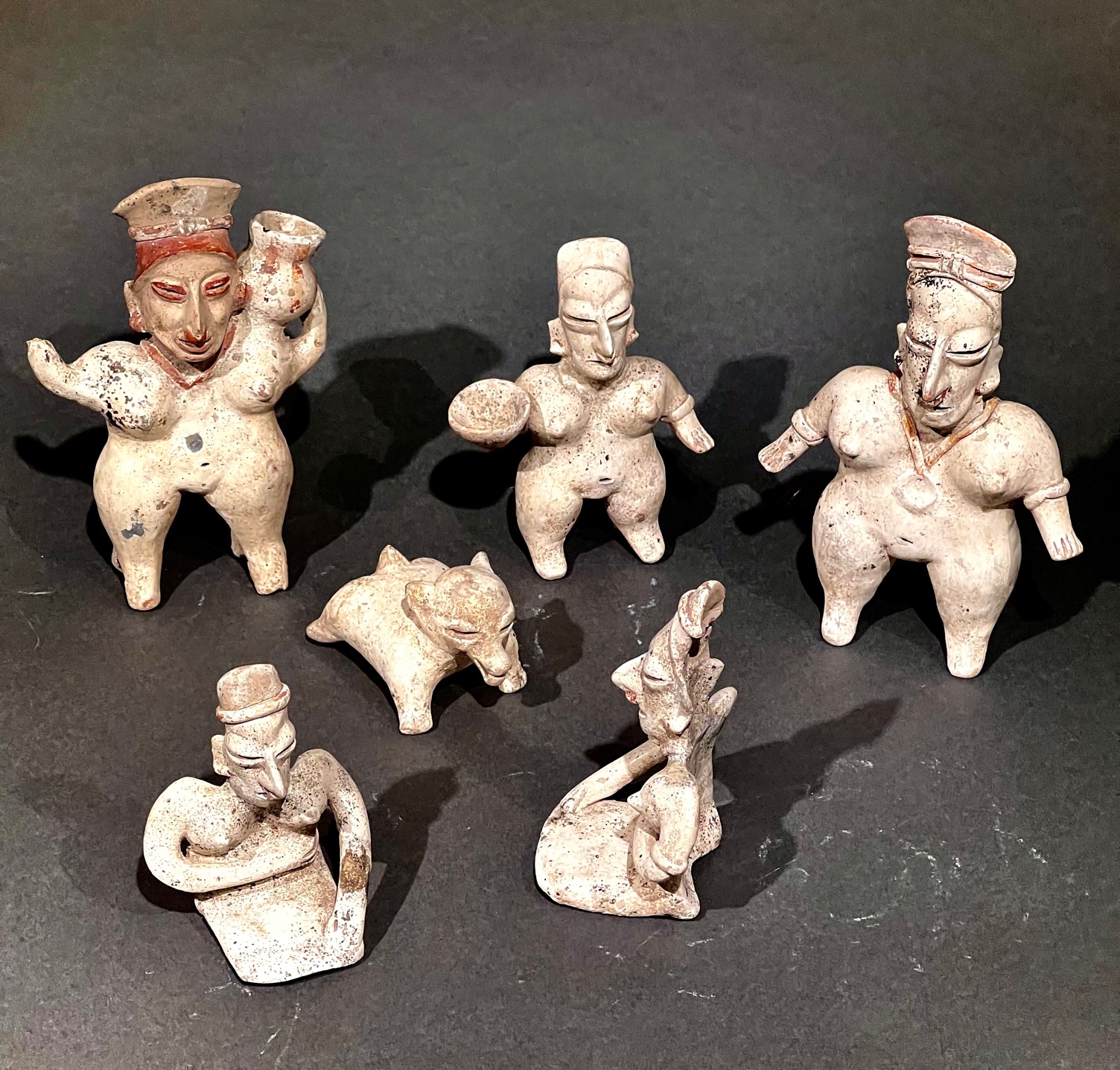
Four Pre-Columbian Sculptures
Large Passport Mask
Standing Male Figure
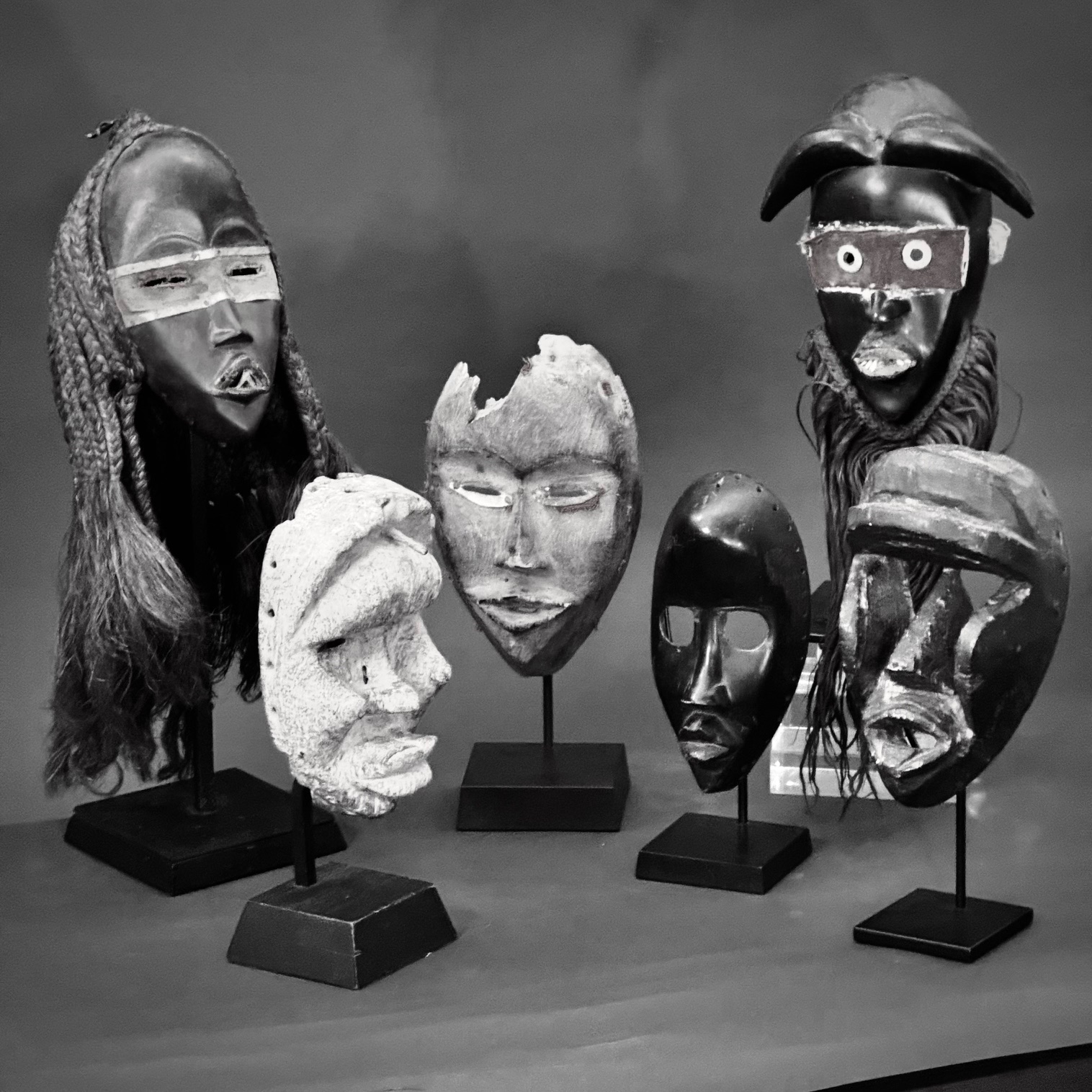
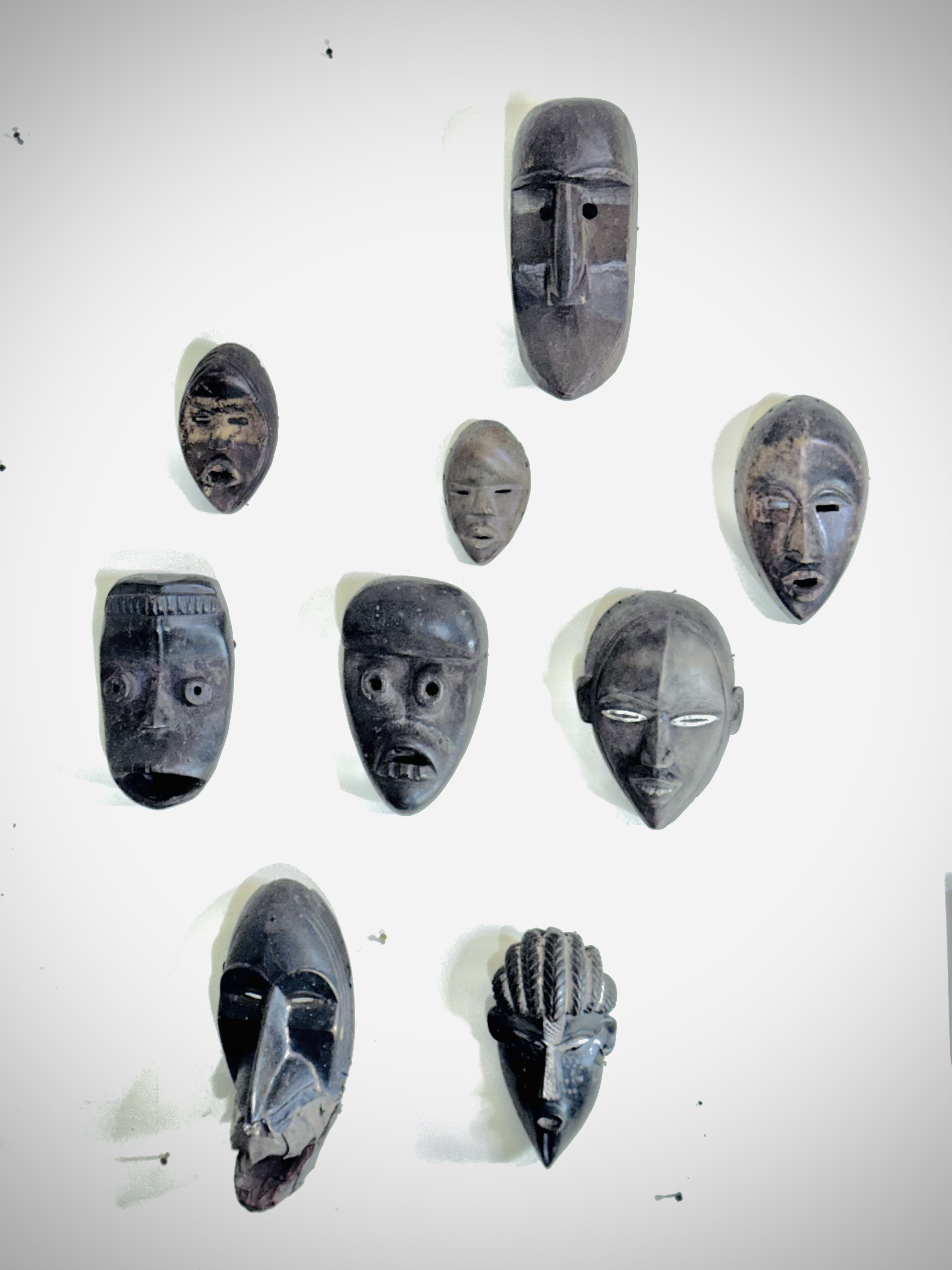
Collection of Dan Masks
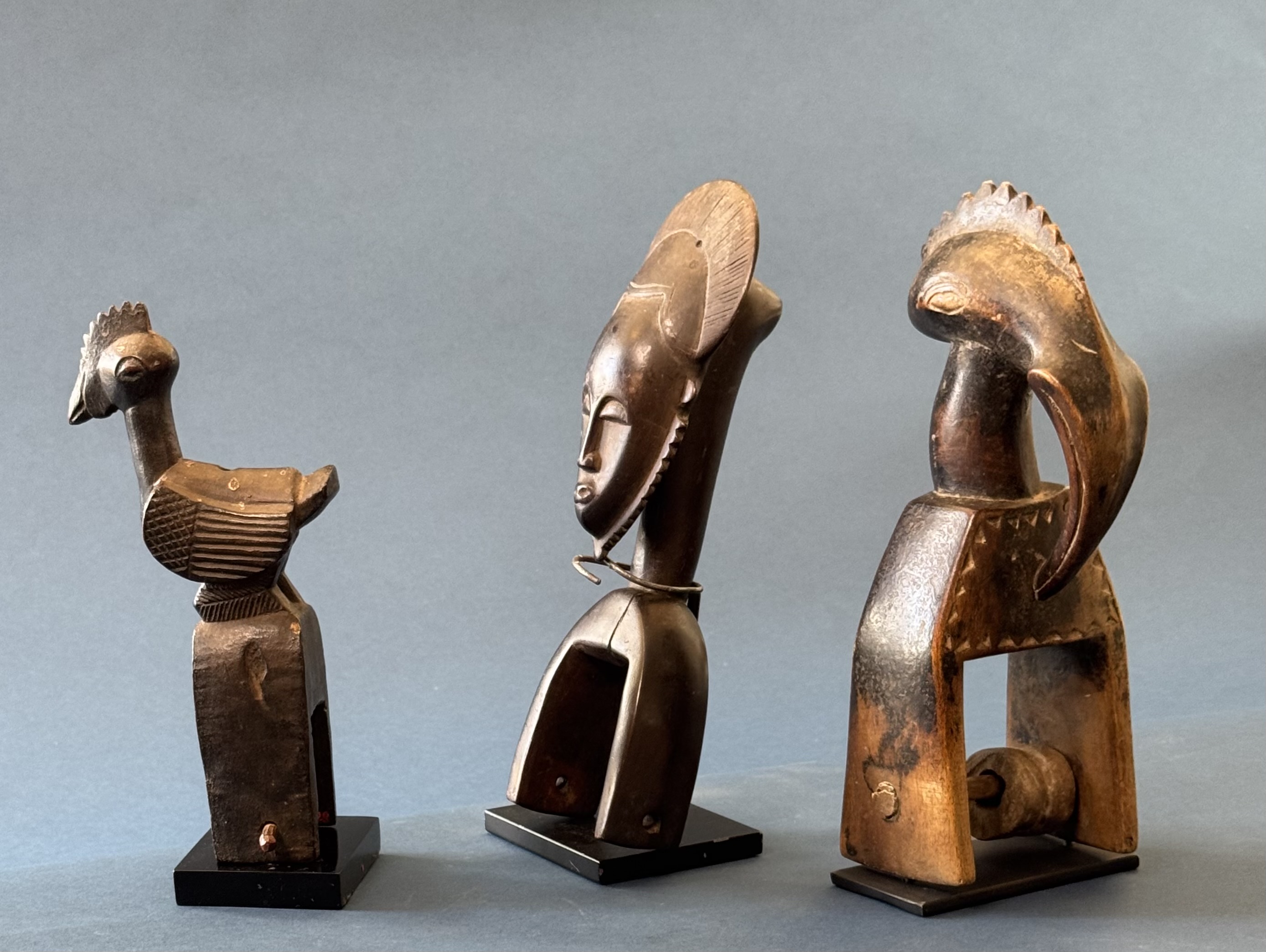
Three Fine Old Heddle Pulleys